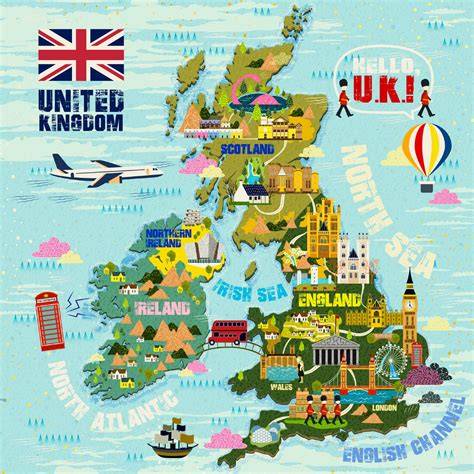
Le immersioni nel Regno Unito offrono un'esperienza unica, che unisce una ricca storia a diversi ambienti marini. Incastonato tra il Mare del Nord, il Canale della Manica e il Mar Celtico, il Regno Unito vanta la dodicesima costa più lunga del mondo e offre una vasta gamma di siti di immersione. Da emozionanti relitti di navi a vibranti barriere coralline, ogni immersione rivela una fetta del passato storico e della bellezza naturale del Regno Unito.
Le fredde acque del Regno Unito ospitano una serie di affascinanti forme di vita marina, tra cui foche giocose, anemoni colorati e persino un occasionale squalo elefante, assicurando ai subacquei sempre qualcosa di affascinante da esplorare. La variegata geografia del Regno Unito supporta un'ampia gamma di stili di immersione, sia che tu sia un appassionato di immersioni da riva, di escursioni in barca o dell'avventura dei liveaboard.
Regioni subacquee: paesaggi, punti di forza stagionali e attività
La Scozia offre paesaggi subacquei drammatici con pareti imponenti e foreste di kelp, mentre la costa meridionale è caratterizzata da relitti storici, resti di scontri marittimi. Ogni regione ha i suoi punti di forza stagionali, come la fioritura della flora sottomarina in primavera o la maggiore visibilità in autunno, che rendono il Regno Unito una destinazione subacquea durante tutto l'anno.
Taking the plunge in British waters may be a different experience to diving in tropical seas but it rewards divers and snorkellers with historic wrecks, reefs covered with soft corals and scuttling crustaceans. Dive schools offer a good way to get a first taste - and snorkelling is available for everyone who can swim. For certification, many dive schools do the theory part of the training in advance online, completing the skills component in person over a few days - a good way to combine certification and a UK holiday.
Soi molte opportunità per principianti e appassionati
Se sei uno studente Open Water Diver non certificato, lo Scuba Skills Update è l’ideale per esercitarti prima delle tue Immersioni di addestramento in acqua libera. Il corso Survival Swim offre una formazione completa sulle abilità fondamentali di nuoto per principianti, sulla consapevolezza della sicurezza e sulla fiducia in acqua. I partecipanti sviluppano abilità essenziali, tra cui la respirazione controllata, i movimenti efficienti nel nuoto, le tecniche di galleggiamento e di sopravvivenza, acquisendo al contempo la comprensione delle diverse condizioni dell’acqua e dell’uso corretto delle attrezzature di sicurezza. Il manuale approfondisce in dettaglio i diversi stili di nuoto e offre strategie pratiche per gestire lo stress e superare la paura in acqua. L’accento è posto sulla sicurezza, sul controllo e sul benessere.
Taking the plunge in British waters may be a different experience to diving in tropical seas but it rewards divers and snorkellers with historic wrecks, reefs covered with soft corals and scuttling crustaceans. Dive schools offer a good way to get a first taste - and snorkelling is available for everyone who can swim. For certification, many dive schools do the theory part of the training in advance online, completing the skills component in person over a few days - a good way to combine certification and a UK holiday.
Siti salienti e attività accessibili
Scapa Flow, Orkney: a diver inspects a four-inch gun of a German destroyer in Scapa Flow. This body of water, one of the largest natural harbours in the world, is home to dozens of wrecks from the first and second world wars, including the scuttled German first world war fleet, a legacy of Scapa Flow’s time as a naval base. While experienced divers will get the most of out of the area (try Huskyan’s seven-day dive/stay packages, from £685pp), beginners can enjoy a taste of the action via shore dives on the Churchill Barriers, structures built in 1940 to block eastern approaches to the harbour, and the scuttled ships that preceded their construction. Kraken Diving, Scapa’s only dive school, offers guided dives here, as well as guided boat diving for those with more experience. Guided dives with Kraken from £170, try dives £90, snorkelling £60pp; full equipment hire from Scapa Scuba £60 a day, air refills from £4.
Swanage pier, Dorset: The shallow water beneath this late-Victorian pier teems with life, from edible and spider crabs to brightly coloured cuckoo wrasse, bream and cuttlefish. At just five metres deep, it offers easy diving conditions for beginners, but there’s plenty for more experienced divers, especially those into photography, who’ll appreciate the chance to get up close to the local marine life. Divers Down runs courses and hires out equipment from its shop on the pier, as well as operating two charter boats for trips out to wrecks. Full equipment hire £60, air refills from £5, pier diving £1.50pp, local boat dives from £35pp.
Porthkerris, Cornwall: Hundreds of ships were dashed to pieces over the centuries on the Manacles and other submerged rocks that line this side of the Lizard peninsula. Many are easily reached on full- or half-day boat trips and many are fairly shallow, which not only increases the likelihood of visibility being good but also makes them accessible for less experienced divers. There’s good shore diving and snorkelling, with Porthkerris Divers, whose protected house reef is home to anemones, sea cucumbers, sponges, sea urchins, crustaceans, cuttlefish, lots of species of kelp and all manner of fish. You just walk into the water from Porthkerris Beach. Full equipment hire from £35, air fills from £5, boat dives from £30 per dive, unlimited shore dives £5pp, escorted dives from £40.
Lundy, Devon: Grey seal off Lundy. The island’s resident population of Atlantic grey seals is the main attraction - these inquisitive creatures are used to humans and it’s not uncommon to find them tugging playfully at divers’ fins. Ilfracombe-based Easy Divers hires gear and runs regular day trips for divers and snorkellers. Two guided dives with full equipment hire £177pp, snorkelling equipment and boat trip £132pp.
Farne Islands, Northumberland: Weather-permitting you can dive year-round on the east coast, though the best time of year for interactions with the grey seals that make this their home is late summer and into autumn, before the start of the breeding season. The diving is spectacular whether or not you get to play with the seals, thanks to the sheer rock faces that characterise the underwater world of the Farne Islands. Crevices in these walls abound with lobsters, shrimp and edible crabs, as well as soft corals, nudibranchs (sea slugs) and anemones. Day’s diving (two dives) with Billy Shiel’s Boat Trips £50pp, air refill £6, day’s diving with full equipment £150pp, guiding £50.
Stony Cove, Leicestershire: There’s been diving at this flooded quarry since 1960, though a lot has changed at the site since local scuba pioneers first started exploring here. Today, you’ll find a range of sunken vehicles to explore, including an aeroplane cockpit, a helicopter, an Elizabethan merchantman and a bus, all positioned in terraced dive areas that are graded to reflect difficulty. It’s open for diving and snorkelling 362 days a year, with averages temperatures ranging from 18C in August to 4C in March. For the best visibility - up to 20 metres - visit between the end of October and Christmas. Night diving - yes really - is available on the first and third Wednesday of the month. Full equipment hire £48.20, diving £25pp, snorkelling £8pp, stoneycove.com.
Basking sharks, north Cornwall: The world’s second largest fish - basking sharks can grow to up to 12 metres long - comes to the south and west coast of the UK each year, timing their arrival with the spring and summer plankton blooms. They arrive in Cornwall and continue their journeys north as far as John o’Groats. The best way to experience these creatures in the water is snorkelling rather than diving, as they mainly feed just beneath the surface. Newquay-based Atlantic Diving runs three-hour snorkel safaris throughout the summer (the main shark spotting season is May to July but they continue to appear as late as October), putting on a boat whenever local fishers report seeing sharks. Snorkel safari including snorkelling equipment and wetsuit £90pp.
St Abbs and Eyemouth Voluntary Marine Reserve, Berwickshire: Tiny white sea stars, sea urchins and a type of soft coral known as dead man’s fingers, cover the rocks all along with patch of protected coastline, while lobsters stare out from crevices and flat fish hide themselves in the sand on the seabed. Dive companies running boats out of the small harbours at St Abbs and Eyemouth include DiveStay (half a day diving from £45pp) but you’ll need to bring your own gear. Not to worry if that’s not an option because Snorkel Wild runs small guided snorkelling trips (two to four people, £30pp, equipment hire £10) that explore Coldingham Bay and its surroundings. Perfect for families, with kids as young as six able to take part if accompanied by an adult.
Isle of Portland, Dorset: There are dozens of wrecks to dive off Portland, from submarines to paddle-steamers, with something for divers of all experience levels. A boon of Dorset diving, particularly for those combining diving with other holiday pursuits, is the fact that you can pop out for a single dive and be back at the harbour within a couple of hours, rather than spending all day out on a boat. There’s plenty to explore in and around the harbour, with drift dives offering a thrilling way of seeing a large area in a short space of time. Full equipment rental from £40, air fills £5, shore dives from £25pp, boat dives from £32pp.
Holy Island, Anglesey: The squiggly coastline between Porth Dafarch and Trearddur Bay has beaches that are seemingly made for easy walk-in, walk-out shore diving and snorkelling. Their shallow, protected coves are untroubled by currents and allow you to serenely explore underwater gullies that are a haven for ballan, cuckoo and corkwing wrasse and, if you’re lucky, dogfish. SBS Rib Charter runs short boat rides out to Holy Island’s wrecks and reefs, several of which are suitable for beginners. You’ll need to bring all your own gear as there’s nowhere nearby that hires it.
From gliding through kelp forests in search of colorful marine life to watching a basking shark cruise beneath you, snorkelling in the UK offers some of the most surprising and spectacular underwater experiences - and they’re right on your doorstep.
The UK coastline is home to a huge variety of marine environments, from sunken shipwrecks and rocky coves to thriving seal colonies and crystal-clear lochs. Whether you’re a complete beginner or looking to build your snorkelling skills, there are countless places to explore. During the summer months, these gentle giants can be spotted off the coast of Oban in Scotland and in the warmer waters around Cornwall - a must for any adventurous snorkeller. From Devon to Dorset, the south coast is dotted with quiet bays and shallow reefs ideal for all levels of snorkelling ability. Head to Skomer Island to snorkel alongside puffins, porpoises and grey seals - one of the UK’s best spots for marine wildlife encounters. The UK has hundreds of shipwrecks close to shore, many of which have become artificial reefs teeming with fish, crustaceans and seaweed - perfect for snorkellers to explore. If you’re new to snorkelling or want to improve your technique, BSAC snorkelling clubs across the UK can help you learn safely and confidently. Ready to explore the underwater world? Whether you want to learn before your next holiday or join a local club, we’ll help you find the best way to get started with snorkelling.
Need help? Se hai voglia di immergere le dita dei piedi in acque più fresche, allora raccoglierai sicuramente i frutti qui. I subacquei hanno davvero l'imbarazzo della scelta con centinaia di relitti, scogliere naturali, grotte e pinnacoli tra cui scegliere. Non mancano le immersioni in Inghilterra, il paese è grande e le immersioni sono diverse. Pareti che scendono per 50 m, grotte emozionanti che aspettano di essere esplorate e migliaia di relitti offrono uno scorcio unico della storia del paese. Tieni gli occhi aperti per i delfini, gli squali elefante, i pesci gatto e le aragoste. I subacquei non vorranno perdersi gli incontri con le foche a Lundy Island, al largo della costa del North Devon. Le foche grigie intrattengono i subacquei con la loro natura giocosa e curiosa.
Trasporti e utilità
Londra è il più grande hub aeronautico al mondo per traffico passeggeri con i più grandi aeroporti di Heathrow e Stanstead. Tuttavia, generalmente avrai diverse altre opzioni quando voli nel paese. Per spostarti in Inghilterra, puoi scegliere tra taxi, autobus o treni. Usare i trasporti pubblici in Inghilterra è un modo facile ed economico di viaggiare e un ottimo modo per vivere la vita locale. Le città più grandi tendono ad avere la maggior parte dei servizi di autobus, Londra e Newcastle hanno un sistema di metropolitana.
Avvertenze e linee guida
Accedendo a questa pagina, si riconosce e si accetta che le informazioni visualizzate sono state fornite da uno o più terzi. La fornitura di questo contenuto è a scopo informativo e non costituisce una raccomandazione o sollecitazione a effettuare alcun tipo di acquisto o a prendere alcun tipo di decisione. PADI non garantisce l'accuratezza o la completezza di tali informazioni e non garantisce che tali contenuti siano privi di materiale che si può ritenere discutibile o altro. PADI ricorda di aderire agli Standard PADI Safe Diving Practices e consiglia di consultare un professionista subacqueo che abbia familiarità con il sito e le sue condizioni attuali prima di immergersi.